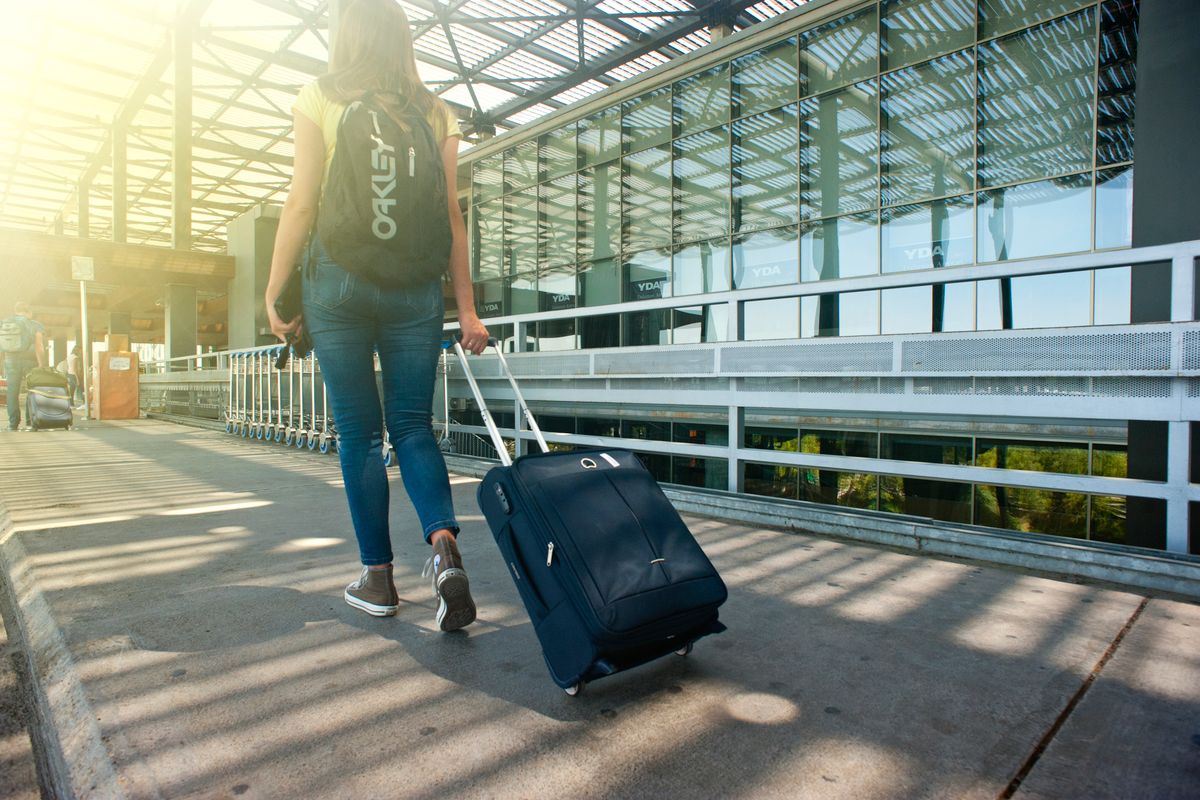

A two-week trip crosses climates and includes two flights plus a taxi transfer. The suitcase needs structure, not simply the largest shell available.
Good luggage reduces friction between home and destination. Capacity matters, but so do lifting, access, airline rules, storage, and the number of times the bag changes hands. This guide keeps those details in the decision.
Start with the situation, not the product
Write the trip as a sequence: leaving home, reaching the terminal or station, security, boarding, transfers, local transport, and the final room. The right bag should be manageable at the hardest point in that chain, not merely spacious on the bedroom floor.
What to look for
1. Set a packed-weight target
Treat every transfer as part of the specification. Stairs, curbs, aisles, overhead lifts, and the final walk to lodging can expose weaknesses that an airport floor hides. For this guide, the key question is “set a packed-weight target?”
2. Protect breakable zones
Pack the objects you truly take and notice where weight gathers. Organization is valuable only when you can repeat it quickly during the trip. For this guide, the key question is “protect breakable zones?”
3. Choose organization you will maintain
Carrier rules and trip conditions vary. Verify current dimensions and weight limits directly with the operating carrier before departure. For this guide, the key question is “choose organization you will maintain?”
The mistake to avoid
Filling a large case because empty space feels wasted. A label such as carry-on, lightweight, or international is marketing shorthand, not a universal rule. Check the actual measurements, load the bag, and verify current carrier requirements.
Your before-you-buy checklist
- Airline allowance
- Empty case weight
- Wheel protection
- Interior compression
Write these details down before opening retailer tabs. A short, specific list makes it easier to reject an attractive option that does not fit the room or the route.
See current options
This link opens a broad merchant search, not a claim that every result meets the guide. Compare dimensions, materials, return terms, and current availability yourself.
Browse current optionsA calmer final decision
Pack the finalist at home and move it through a short practice route. Lift it, turn it, open it in a tight space, and carry it for several minutes. The best bag is the one you can manage calmly when the trip becomes less smooth than planned.